

Acrylic Enamel paint
The key points for using acrylic paint are: conducting proper surface treatment, choosing the right tools, controlling the dilution ratio, and carrying out the construction in an appropriate environment.
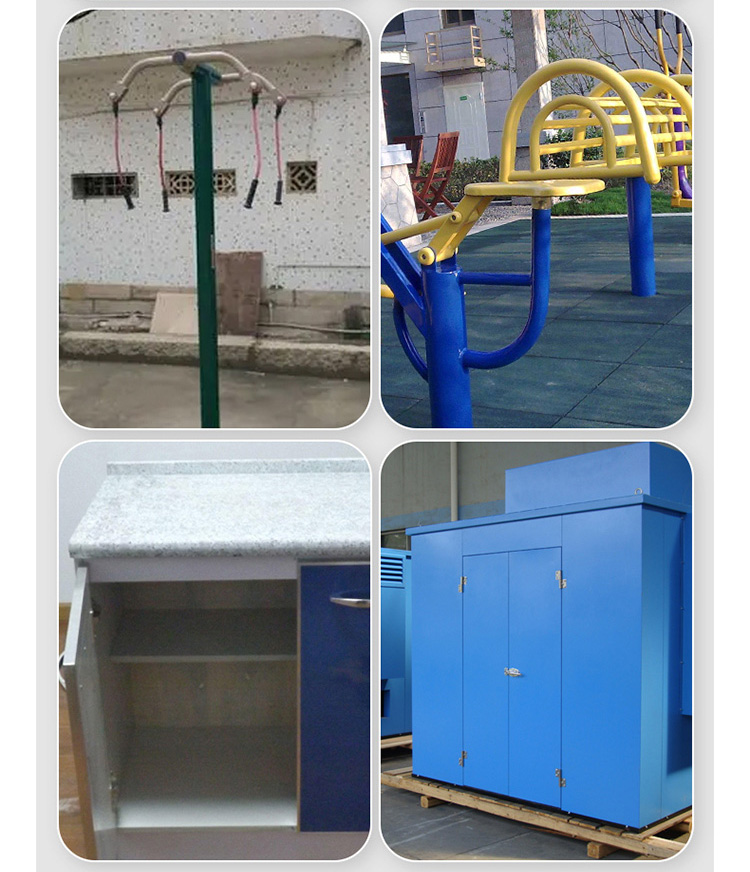
Acrylic paint is a quick-drying, highly glossy, and weather-resistant single-component coating. It is widely used for decorative and protective purposes on surfaces of light metals, steel structures, mechanical equipment, bridges, instruments, etc. The application method directly affects the adhesion, smoothness and service life of the paint film. To ensure the construction effect, it is necessary to follow the standard operation procedures.
Construction steps and key points
- 1.Surface pretreatment
The coated surface must be dry, clean, free of oil stains, dust, rust or loose old paint layers.
For steel surfaces, it is recommended to apply a rust preventive primer (such as epoxy zinc-rich primer) first; for concrete surfaces, a sealing primer should be applied and the pH value should not exceed 105.
If the original coating is old, it needs to be sanded and cleaned thoroughly to enhance adhesion.
- 2.Mix thoroughly
Before use, thoroughly stir the paint mixture to prevent pigment precipitation, which could result in uneven color or reduced coverage.
- 3.Dilution and Mixing
Adjust the viscosity according to the construction method and dilute it with a special thinner (such as X-5 type).
- 4. Painting Construction
Brushing/rolling: Use high-quality brushes or suitable long-haired rollers, and apply evenly in the same direction at a constant speed to avoid brush marks and runny edges.
Spraying:
The pressure of the spray gun is recommended to be 0.3–0.6 MPa;
The nozzle distance from the surface is 20–30 cm;
The movement speed should be uniform to prevent accumulation or missed spraying.
The thickness of each coating layer is recommended to be 30–50 μm. After it dries, proceed to the next coating. The re-coating interval is usually more than 24 hours (at 25℃).
- 5. Drying and curing
The construction environment temperature should be between 5°C and 38°C, with relative humidity no more than 85%, and good ventilation.
The drying time for the surface is approximately 2 hours, and the complete drying time is about 24 hours (under standard conditions of 25°C).
The coating can be put into use only after complete curing, and it usually takes about 2 days and 10 hours.
Precautions and Safety Measures
- Stay away from fire sources:
Acrylic paint is flammable. Smoking and open flames are strictly prohibited in the construction area. Avoid static sparks.
- Ventilation requirements:
Maintain good ventilation to prevent the accumulation of solvent vapors, which may cause health risks or explosions.
- Personal protection:
Wear gloves, goggles, masks or respirators to avoid skin and eye contact with the paint.
Storage conditions: Store in a cool, dry, and well-ventilated place, away from heat sources and direct sunlight. Seal the packaging containers for storage.
- Environmental disposal:
Abandoned paint cans and waste liquids should be disposed of in accordance with the law and must not be dumped at will.
The key to using acrylic paint correctly lies in meticulous control of details: from substrate preparation to environmental control, every step affects the final result. It is recommended to operate strictly in accordance with the product instructions and prioritize the use of the recommended primer to achieve the best adhesion and durability. If you are unsure about the compatibility of the primer, you can conduct a small-scale test coating first to verify.

Post time: Dec-08-2025


